Wecome to Dragonwood Chronicles

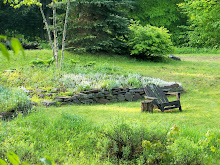
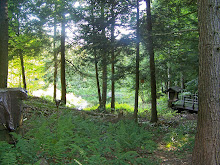
Tucked away deep in the woods at the southern edge of the Tug Hill region of New York. Dragonwood is our off-grid sanctuary. Six acres of pond and gardens bordered by forest on three sides.


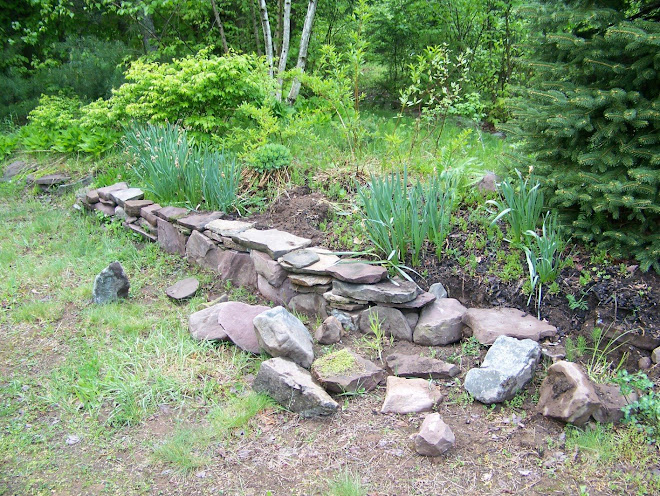
The project began in 1995, when after a long search, Debe and I purchased the property from a local logger. To date we have built a cabin, a bridge, out house, two sheds in addition to expansive gardens and stone work. We have a generator, propane lights, refrigerator and grill, a wood stove and modest solar system. A dug well and small stream suitable for watering gardens and other needs and a nearby spring for drinking water.


The Dragonwood Chronicles will serve to document the project with photographs and notes. Future projects will include additions to the cabin, a root cellar and a studio building.


Comments and questions are always welcome.

We enjoy hearing from people who visit Dragonwood Chronicles. Please feel free to leave a comment or ask questions.


Wednesday, February 11, 2009

Location - Southern Tug Hill Region


As I build this blog I'm getting a lot of readers asking where we are located. We are located in the Tug Hill region of New York State, USA. The Tug Hill region is famous for it's Lake effect snow as we lie directly east of Lake Ontario.

Dragonwood is at the southern edge of the Tug Hill region. Most locals wouldn't even consider it Tug Hill, but technically it falls into that region. The Tug Hill is a large very rural area between Lake Ontario and the Adirondack Mountains.

I have posted a couple of maps to help illustrate.

It's funny how many people around the country hear New York and immediately conjure up pictures of New York City. Well I gotta tell ya. This ain't New York City. This is about as rural as it gets.

I was born and raised in the mountains of Vermont and have lived in North Carolina and California with stops in Alaska and other places thanks to the U.S. Army. The Tug Hill is certainly not as vast an area as some, but trust me it's rural and with an annual snow fall that averages between 200" - 300" it's going to stay that way.

The upside to all the snow fall is there is no shortage of good water.

Cross country skiing, snowmobiling and ice fishing reign supreme as winter activities. When summer comes we have excellent fishing in our rivers and lakes and of course boating and pretty much anything else one might enjoy out doors.

Friday, February 6, 2009

Shoveling the roof


Every year about this time we have to think about how much snow weight we have on the roofs of our buildings. It can really add up and sadly we lose a few more old barns every year. Porch roofs, garages, and out buildings often collapse under the weight of the accumulated lake effect snow. Sometimes even houses and commercial buildings come down and mobile homes seem to be especially vulnerable.

The cabin at Dragonwood is one that I make sure we shovel at least once every year about mid-winter. The weatherman is calling for a warm up and the chance for rain. Although I have seen deeper snow on the cabin roof, if it rains, we would be flirting with disaster. The cabin is over built in many respects, but when you take 2 - 3 feet of densely compacted snow and add a couple of inches of rain into the mix, that adds up to a tremendous amount of weight.

I'm glad to have my son home to help this year!

Sunday, January 4, 2009

A Winter Afternoon


The sun came out for a while today. A fairly rare occurrence in these parts in January. That being the case we strapped on the snowshoes and ventured in to check on the place.

Evidence of a lot of deer activity as always but otherwise things seemed to be fine.

The picture on the bottom shows Deb making her way up the driveway. We don't plow it for two reasons. Number one my snow plow bill is plenty high enough as it is. Also we don't use the place much during the winter and keeping it somewhat inaccessible helps keep unwanted visitors away. We are also fortunate to be well away from any major snowmobile trails.

The top photo shows Deb walking along the north side of the pond. The bench in the foreground faces the pond and almost due south. This is a good illustration of solar radiation. The small hill there and the area where the bench sits are open and face south. That hillside will be bare in early spring when there is still several feet of snow in other spots. That bench would not have been visible today, but for maybe the top railing if it were on the other side of the pond.

Even in this area solar gain is a very tangible asset.

Tuesday, December 16, 2008

Shop Abbott's Studio On-Line for the Holidays!


This image is part of my Nova Scotia in sepia tone series. Prints available framed and unframed. KV Abbott

Visit Abbott's Fine Art & Framing for the Holidays or shop us us on-line at http://www.abbottsstudio.com/

Monday, November 3, 2008

TUG HILL, A Four Season Guide - Robert McNamara Book Signing Nov. 15th


TUG HILL FIELD GUIDE BACK BY POPULAR DEMAND


Tug Hill: A Four Season Guide to The Natural Side, illustrated and edited by local naturalist and wildlife artist Robert McNamara, is again available for use in learning and navigating the Tug Hill Region. Contributing writers include John Cecil, the late Lee B. Chamberlaine, Peter Gaskin, Glenn Johnson, Donald E. Moore, III, and Lisa St. Hilaire. The guide features a sampling of the plants and animals of ten of the major habitat types that make up the Tug Hill, and includes a narrative of natural events, organized by season. An easy-to-use source for the identification of a variety of species, the 288 pages include 64 beautifully illustrated full-color plates by McNamara.


Perfect for the student and experienced naturalist alike, the book uses a Quick Habitat Finder Guide, a color-coded edge symbol system, for quick and easy reference. This book is a must-have for every nature library, and a gift which will provide hours of enjoyment both at home and in the field.


Get your books in time for holiday gift-giving, and meet it’s creators at our area book signings, scheduled for:


Saturday, November 15 1:00pm – 3:00pm

Abbott’s Fine Arts & Framing Studio

628 S. Main St.

Central Square, NY 13036

Planting Garlic


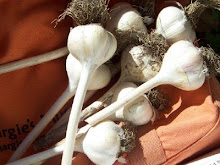
Fall is Garlic planting time. This year we were a little later than we like. Columbus day or thereabout is optimal time, but as long as the ground is still workable you can plant. This year we planted about 50 German White Hard Neck cloves which should yield about 50 nice large bulbs late next July or early August. The cloves were soaked in fish emulsion fertilizer and water before planting. A little smelly but an extra boost for the garlic.

Two tricks to growing garlic are to clip them before they flower. The plant will send out a flowering shoot called a scape. The scape will make a loop and then a second loop. Once the second loop is visable it's time to clip them off before they go to flower. This results in bigger bulbs. These scapes are also edible and provide excellent garlic flavor in cooking, though less pungent than an actual clove. We just chop them up and use as you would use garlic in cooking.

The second point to remember, garlic prefers fairly arid conditions. Do not over water them. In fact in this area we don't water them at all. The rainfall we get in the course of a normal growing season is more than enough. Garlic prefers soil with good drainage and organic matter. A little sand mixed into a good compost mix is an ideal amendment to your soil. A little fish emulsion fertilizer a couple of times during the growing season is all you need to produce fantastic results.

Thursday, September 4, 2008

Spider Web


This image is a manipulated digital photograph of a spider web at Dragonwood. To view other images visit abbottsstudio.com and our art blogs.

Driveway

Off The Grid

Off The Grid
Click on Image